
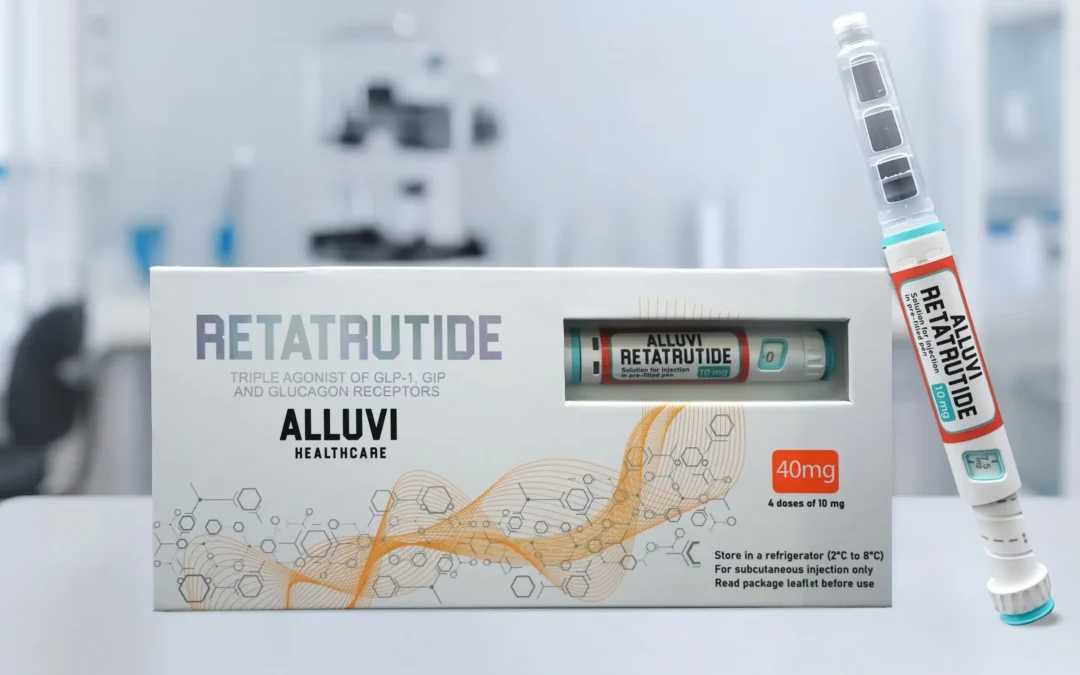
The history of retatrutide.(how to buy retatrutide online)
Retatrutide emerged from research into whether several metabolic hormone pathways could be targeted simultaneously rather than targeting only one pathway.Earlier obesity medicines such as semaglutide primarily activate the GLP-1 receptor, while tirzepatide activates GIP and GLP-1 receptors. Retatrutide adds glucagon-receptor activity, creating the three-pathway mechanism that distinguishes it from those medicines. how to buy retatrutide online
Its development code is LY3437943. Lilly subsequently advanced the compound through clinical development, beginning with early-stage studies and then moving into large Phase 3 trials.
How retatrutide works. how to buy retatrutide online
Retatrutide is sometimes described online as a “GLP-3” drug, but that terminology is misleading. Lilly specifically describes “GLP-3” as an informal and scientifically inaccurate label. The more accurate description is triple agonist.
Its three targets are:
GIP receptor
GIP stands for glucose-dependent insulinotropic polypeptide.
GIP participates in:
- insulin secretion after food intake
- glucose regulation
- nutrient metabolism
- energy storage and utilization
Retatrutide’s GIP activity is intended to contribute to its metabolic effects.
GLP-1 receptor
GLP-1 stands for glucagon-like peptide-1.
GLP-1 signaling is associated with:
- appetite regulation
- increased satiety
- glucose-dependent insulin secretion
- reduced glucagon secretion
- slower gastric emptying
This pathway is already established as an important target in several approved diabetes and obesity medicines.
Glucagon receptor
Glucagon has effects that differ from GLP-1.
Glucagon can influence:
- hepatic glucose metabolism
- energy expenditure
- lipid metabolism
- mobilization of stored energy
The addition of glucagon-receptor activity is one of the major scientific features researchers are investigating with retatrutide.
Why the three pathways are interesting
The fundamental idea behind retatrutide is that different metabolic signals can potentially complement one another.
Very simply:
GIP → metabolic/glucose signaling
GLP-1 → appetite and glucose regulation
Glucagon → energy metabolism and expenditure
Retatrutide combines these activities into one molecule.
The objective is not simply to suppress appetite. Researchers are investigating whether simultaneously influencing these pathways can produce substantial and clinically meaningful changes in body weight and metabolic health.how to buy retatrutide online
Retatrutide and weight loss. how to buy retatrutide online
One of the reasons retatrutide has attracted considerable attention is the magnitude of weight reduction observed in clinical trials.
The original Phase 2 obesity trial was published in The New England Journal of Medicine in 2023. It evaluated adults with obesity or overweight plus a weight-related condition.
The Phase 3 program subsequently produced substantially larger datasets.
For example, the Phase 3 TRIUMPH-1 trial evaluated 2,000+ adults with obesity or overweight and at least one weight-related complication, without diabetes. The study used once-weekly retatrutide at 4 mg, 9 mg, or 12 mg and followed participants for 80 weeks.
The published Phase 3 results demonstrated substantial average reductions in body weight at 80 weeks, with the magnitude increasing with the studied dose.
These results are clinical-trial averages, not a guarantee of the amount any particular person would lose.